
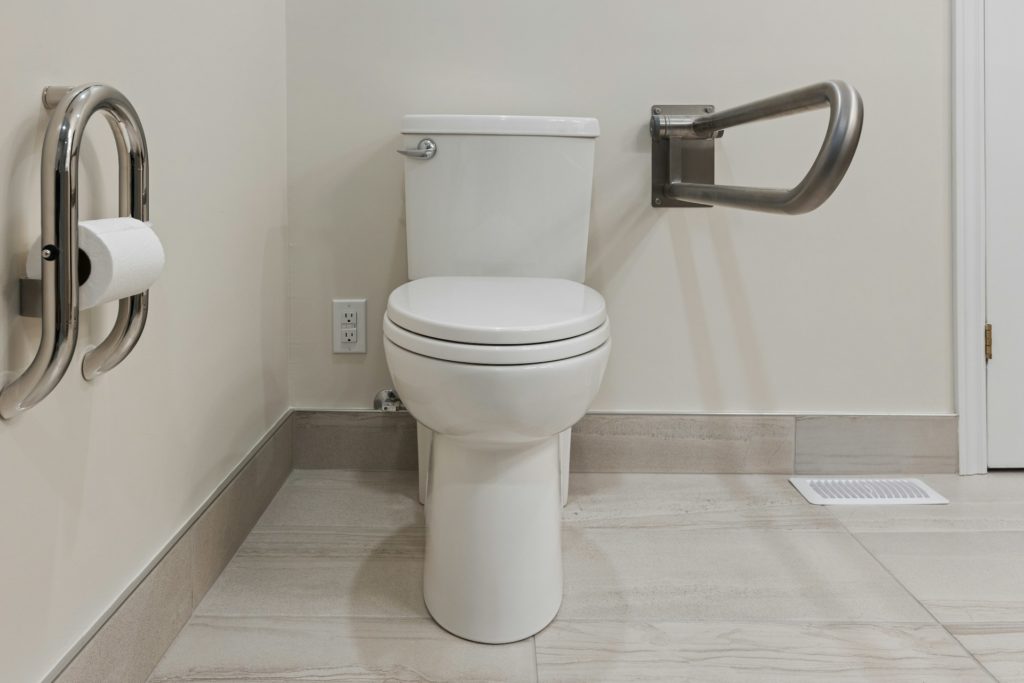
The Smart Investment: Modifying vs. Moving
It’s easy to get sticker shock when you look at home renovations. Data from Bankrate suggests the average national spend for home modifications is around $9,500, with projects typically ranging from $3,000 to $15,000.
While that’s not pocket change, compare it to the cost of an assisted living facility, which can easily run $5,000 to $8,000 per month. Suddenly, a one-time $10,000 investment to stay in the home you already own isn’t just a renovation—it’s a massive financial win for your long-term independence.
The Concept of “Universal Design”
The goal here is Universal Design: making a home that is easy for everyone to use, regardless of their age or mobility. You don’t want your house to look like a hospital; you want it to feel seamless and intuitive.
Here is how to get started, ranging from the “Sunday afternoon” tasks to the “call a professional” projects.
Weekend Wins (DIY Projects)
You don’t need a contractor for everything. You can make your home significantly safer this weekend with a few simple tweaks:
-
Swap the Knobs: Replace round door knobs and sink faucets with levers. They’re much easier to operate if you have any arthritis or grip issues.
-
Adjustable Shower Heads: Install a handheld shower head to make bathing easier and safer.
-
Clear the Path: Rearrange furniture to create wide, clear “traffic lanes” and remove all throw rugs, which are the leading cause of trips and falls.
-
Non-Slip Everything: Add high-grip mats to the tub and non-slip floor coverings in the kitchen or laundry room.
The Professional Touch
For more complex changes that need to meet safety codes, it’s worth hiring a pro. These modifications add the most long-term value:
-
Sturdy Handrails: Installing dual handrails on both sides of every staircase, ensuring they are anchored properly.
-
The “Curbless” Shower: Removing the high lip of a bathtub or shower stall so you can walk (or roll) right in without a tripping hazard.
-
Entrance Ramps: Modifying the front or garage entry to eliminate steps.
-
Wider Doorways: Standard doors can be tight; widening them creates a much more open and accessible floor plan for the future.
The Bottom Line
Aging in place isn’t about admitting defeat; it’s about taking control of your future. By making a few smart changes today, you’re ensuring that your home remains the safe, comfortable, and independent space you’ve worked so hard for.
Here is a perfect printable resource: “Home Safety Checklist”.