
When Do I Need to Review Will?
Whether you drew up a will recently or years ago, keep in mind it’s generally not something you can set and forget.

Whether you drew up a will recently or years ago, keep in mind it’s generally not something you can set and forget.
Most people should have a will, but it’s rarely the most significant estate planning document an individual holds.

While estate planning can be emotionally taxing, since you must consider a time after your own passing, it is important to be proactive, both for yourself and for loved ones.
Estate planning is making decisions today for what you want to happen in the future.
One reason for having a will is to make sure your wishes are carried out. If you die “intestate” (without a will), your assets will be distributed by state law, not by your desires.

Estate planning is perhaps the area of tax practice where one must consider the whole.

Dying without a will can be costly and eliminate your ability to plan or provide for loved ones.
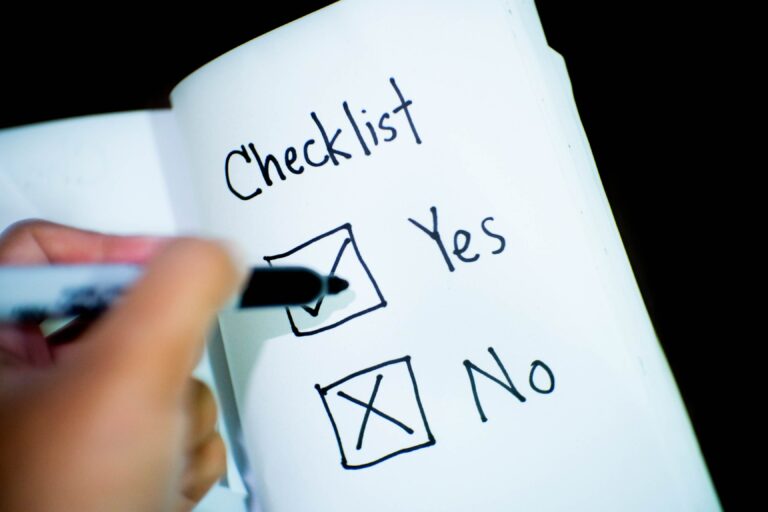
Every so often, it’s smart to methodically go through your estate planning documents and see if any tweaks are needed. Here’s a checklist to guide you through that mission.

Talking about death is not the most fun thing to do, especially when yours is the main topic. For this reason, you may postpone writing your will. You still have to write your will, if you want particular people to be in charge of your belongings after you pass away.

The death of a loved one results in an emotional grief that, when combined with large sums of money on the line, can cause the beneficiaries of the will or trust or the heirs of the deceased to challenge the validity, interpretation, or administration of the will or trust.