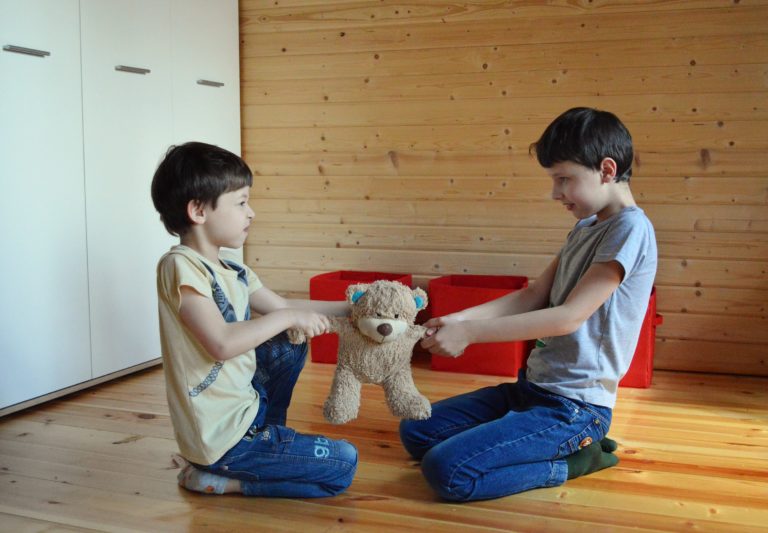
How Can Siblings Settle Disputes over an Estate?
Unfortunately, due to hidden resentments, siblings still tend to end up in court suing each other and losing great chunks of their inheritance in the process all too frequently.

Unfortunately, due to hidden resentments, siblings still tend to end up in court suing each other and losing great chunks of their inheritance in the process all too frequently.

An Uncle (or grandparent, sibling, or parent) died, leaving his IRA to one named niece (or grandchild, sibling, or child). However, everyone, including the named beneficiary, agrees–the decedent should have named all members of the class as equal beneficiaries. After all, he left all his other assets equally to all the class members. He surely meant for all of them to share the IRA equally too, right? Can’t we just ignore this mistake and pay out the IRA to everybody?

No one has to accept inherited assets. Inherited assets can be disclaimed.

Part of estate planning includes helping with the ever-escalating costs of education for children and grandchildren.
I am a resident of Florida. I would like to leave my condo in Florida to my friend’s daughter, who I consider my stepdaughter, after my death. She is a resident of New Jersey and they would use the condo as a vacation home. Will she be considered my daughter for tax purposes, and which state’s tax laws will count?

Bitcoin has gone in value from less than one cent in 2010 to a high of $20,000 in 2017, to a value at the end of July 2020 of nearly $11,000. Now the U.S. Congress is holding hearings on the digitization of the dollar, so cryptocurrency has become an increasingly important financial tool for individuals and businesses.

The saying goes that anyone who does not learn from mistakes in the past, is doomed to repeat them. In estate planning, if you do not learn from other’s mistakes, you are likely to repeat them.

Usually, when you make a simple change in the title from tenants in common to joint tenants, the taxing authorities will ignore that change.

For example, did you name someone as an heir who is no longer in favor with you or—worse yet—has died? Who should get what they would have gotten? Are there now new people in your life—be they family members or not—whom you might wish to share in what you may have?

I am currently married but I purchased a home from my mother before my marriage. I added my younger sister to the deed at the time of purchase, so the house would remain in the family if something happened to me. I have been paying the mortgage and bills myself for three years now. However, now that I’m married to a great woman, who would get the house when I die?